Research support that turns weak signals into investigation leads.
Case 1 - France
Le Monde made groundwater contamination searchable.
Public data layerFrench groundwater measurements via public water data infrastructure; Le Monde republished the cleaned dataset on data.gouv.fr.
QuestionWhich contaminants are present in groundwater, and where?
MethodologyNormalize measurements, match contaminants to thresholds, aggregate by station, then map exceedances locally.
ImpactA national environmental story readers could inspect by place.
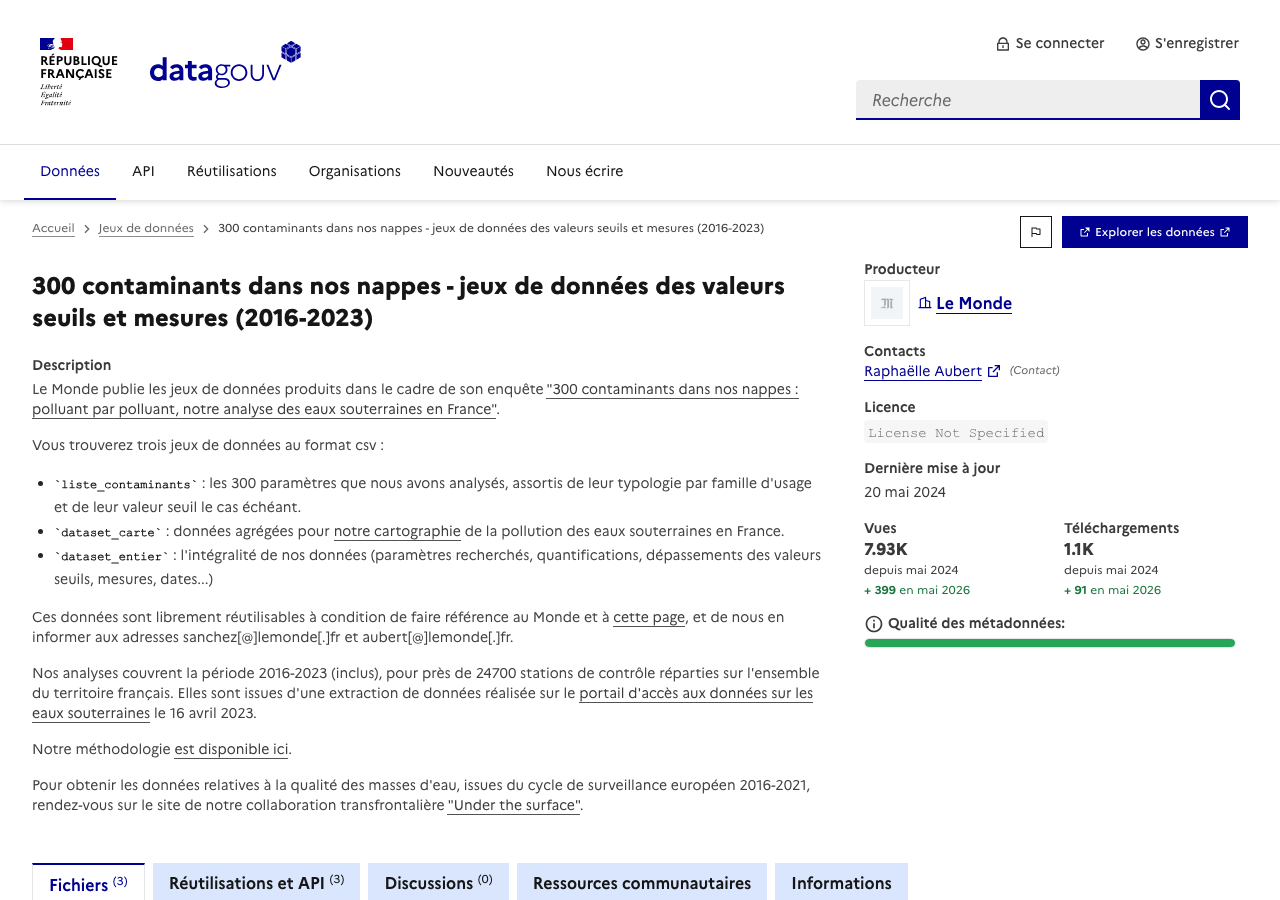
data.gouv.fr reuse dataset published by Le Monde
Case 2 - Norway
Follow public welfare money into private providers.
Public data layerCompany registry APIs, public accounts, ownership records, and kindergarten-sector data.
QuestionHow did public funding become a commercial arena?
MethodologyJoin provider accounts, company registers, ownership, properties, subsidies, and sector data.
ImpactData-SKUP recognition for small-newsroom accountability work.
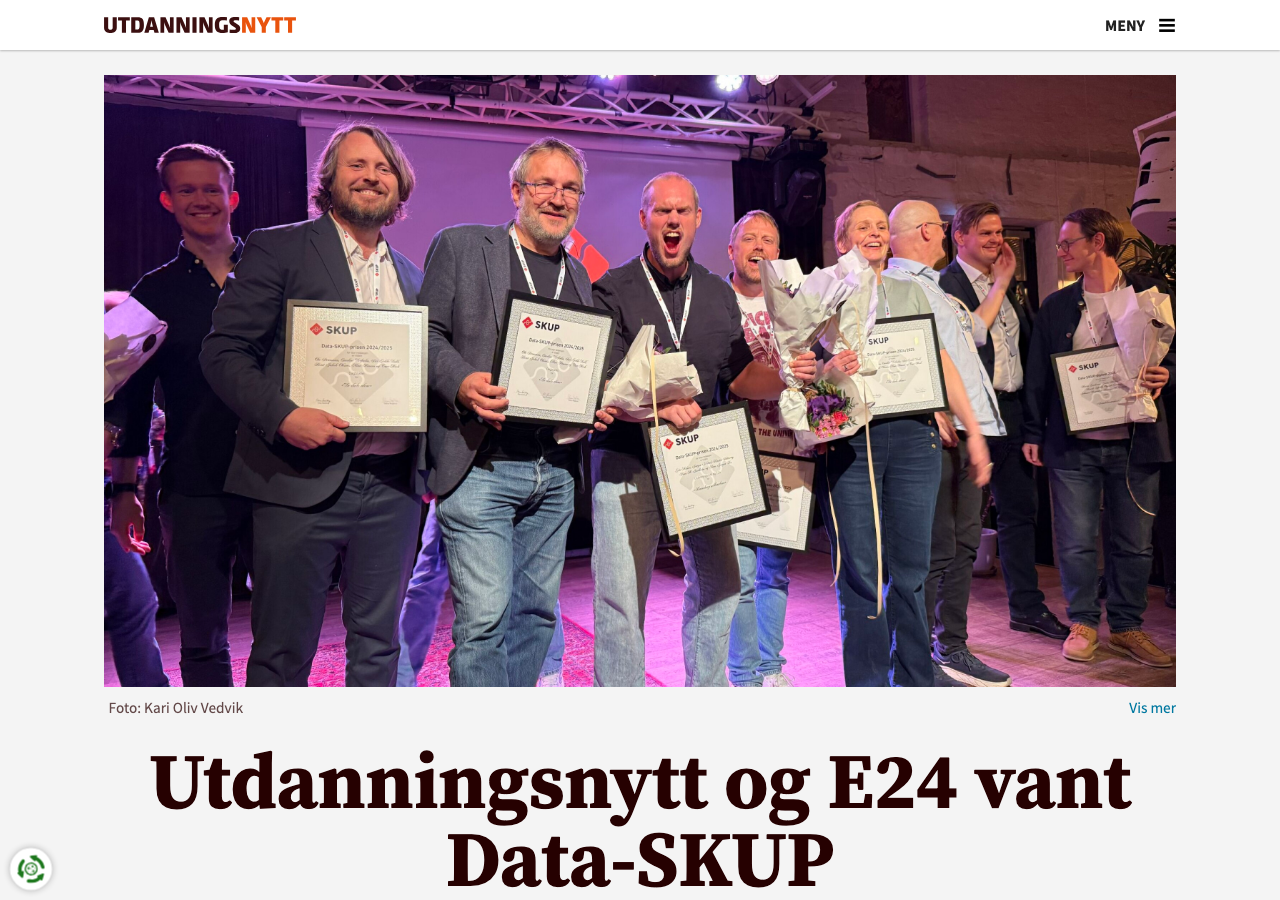
Utdanningsnytt / E24 Data-SKUP coverage
Case 3 - UK / EU
A ferry company with no ferries appeared in procurement data.
Public data layerTED notices and open contracting data made emergency public spending visible across borders.
QuestionWho received emergency Brexit transport contracts?
MethodologySearch awards, isolate the anomalous supplier, then verify capability against public records.
ImpactAn anomalous award became a national procurement controversy.
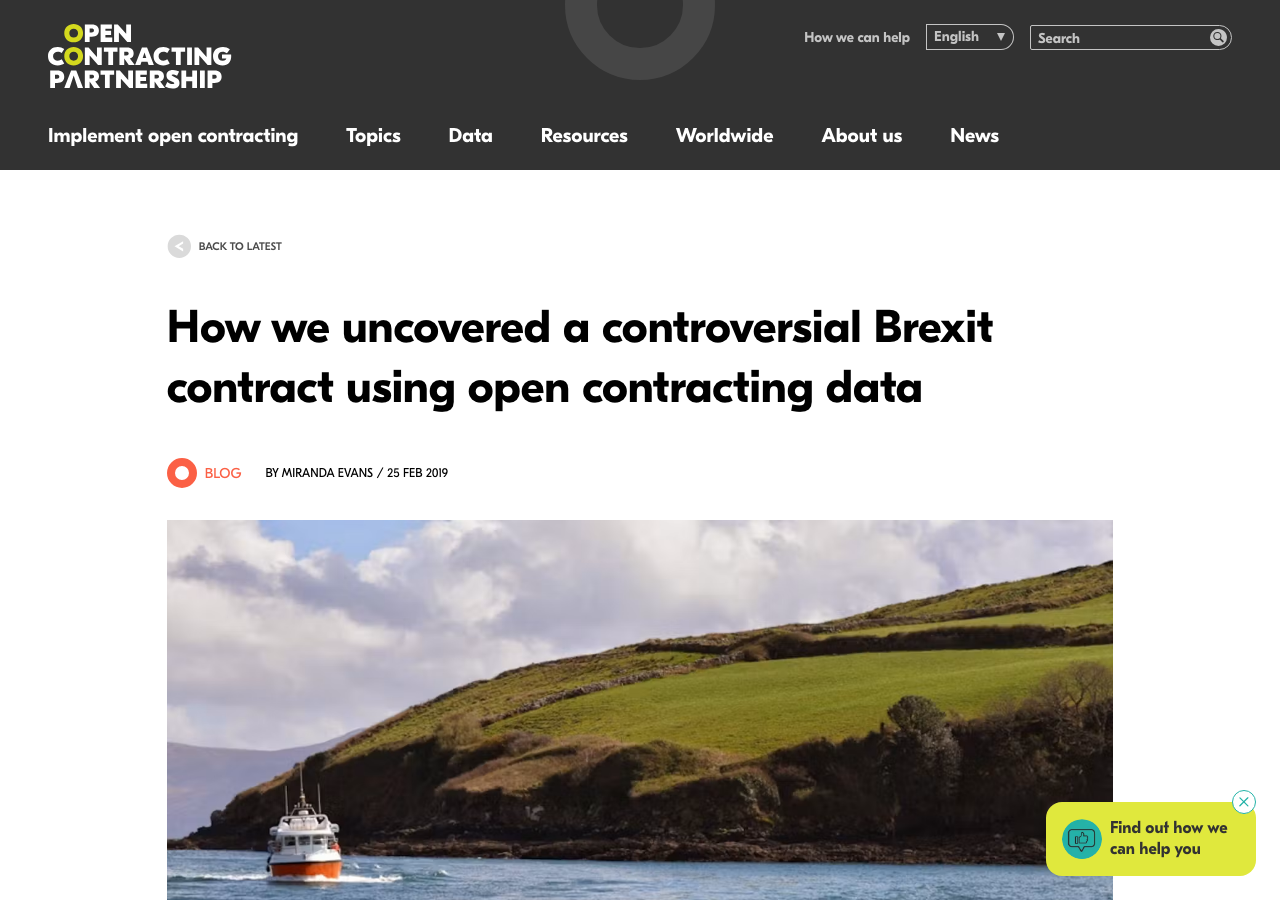
Open Contracting Partnership case study
Case 4 - Switzerland
Roll-call votes refuted a Swiss party's "neither left nor right" slogan.
Public data layerOpenParlData.ch exposing every nominal vote of Geneva's Grand Conseil. Le Temps analyzed 692 scrutins from 27 January 2022 to 4 November 2025.
QuestionTwenty years in, where does the MCG actually sit on Geneva's political map?
MethodologyW-NOMINATE scaling on every roll-call vote since 2022 places each party and legislator on a left-right axis from voting similarity alone, beyond stated positions.
ImpactQuantitative evidence that MCG votes in lockstep with Le Centre and LJS — a synchronized center-right bloc, not the centrist outsider it claims.
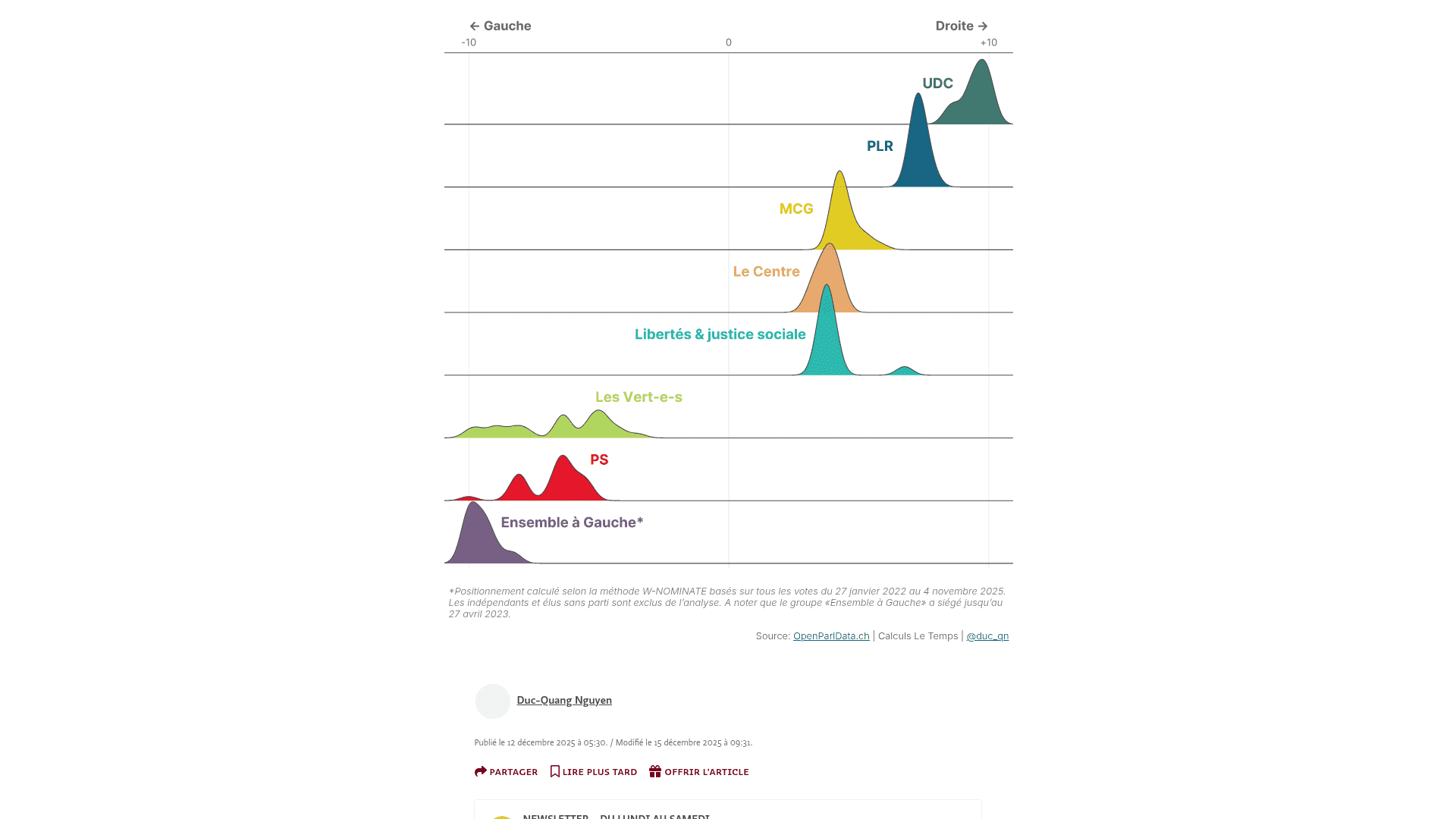
Le Temps — W-NOMINATE positions of Geneva parties, source OpenParlData.ch

iMEdD notes on iTromso / DJINN and public-document leads
AI demo - iTromso / DJINN
DJINN turns municipal PDFs into leads reporters can verify.
Accessible data layerScrapers and APIs collect over 12,000 PDFs a month from municipal archives.
Old hospital building illegally converted into apartments
Floating-sauna permit violations and police complaints
Model jobRank relevance, summarize filings, extract key information, and suggest issues.
MethodologyJournalists train the model with thumbs-up/down labels: is this a news story or not?
Human jobFollow the lead, verify the filing, call people, and report the story.
About me
Tom Vaillant
JOURNALIST & TECHNOLOGIST
Buried Signals is an investigative and technology studio in partnership with Indicator. Using AI to accelerate investigations, disclose methodologies, and build open tools for journalists and researchers.
CUNY AI Journalism Lab Builders Cohort
Pulitzer Center grantee
Collaborations with Indicator, Bellingcat, Big Local News and MuckRock

The journalism proves the tools. The tools make the journalism repeatable.